Executive Summary
This food truck business plan outlines a strategic approach to launching a profitable mobile culinary venture, focusing on unique menu offerings, targeted marketing, and efficient financial management to ensure sustainability and growth․
Business Overview
The food truck business will operate as a mobile culinary venture, offering a diverse menu of high-quality, nutritious, and flavorful dishes tailored to a wide range of tastes and dietary preferences․ The truck will cater to busy professionals, event-goers, and food enthusiasts in high-traffic areas such as city centers, festivals, and popular entertainment venues․ By leveraging a unique menu concept that blends creativity with affordability, the business aims to establish a strong brand presence and build a loyal customer base․ The mobile nature of the business allows for flexibility in operations, enabling the truck to adapt to changing market demands and capitalize on lucrative opportunities․ A key focus will be on sourcing fresh, locally-sourced ingredients to ensure superior food quality and sustainability․ The business will also emphasize excellent customer service and community engagement to foster long-term growth and success․
Mission Statement
Our mission is to provide high-quality, nutritious, and delicious food to our community while fostering a culture of sustainability and customer satisfaction․ We aim to serve a diverse range of flavors that cater to various dietary needs and preferences, ensuring every meal is both satisfying and memorable․ By sourcing fresh, locally-sourced ingredients, we commit to supporting local farmers and vendors, promoting environmental responsibility․ Our food truck will operate with a customer-centric approach, delivering exceptional service and creating a welcoming experience for all patrons․ We strive to build lasting relationships with our community by engaging in local events and partnerships, ensuring our business contributes positively to the areas we serve․ Our goal is to become a trusted and beloved brand, known for our dedication to quality, innovation, and community involvement․
Business Objectives
Our primary objective is to establish a profitable and sustainable food truck business that delivers exceptional culinary experiences to our customers․ We aim to achieve an average daily revenue of $1,500 within the first year, with a net profit margin of 15%․ To accomplish this, we will focus on strategic location selection, efficient menu design, and effective marketing strategies․ Additionally, we plan to build a loyal customer base by offering consistent quality, unique flavor profiles, and outstanding service․ We also aim to partner with local suppliers to source fresh ingredients, ensuring our offerings align with consumer demand for sustainable and healthy options․ By maintaining operational efficiency and continuously monitoring financial performance, we strive to expand our reach and become a recognized brand in the mobile food industry within three years․

Market Analysis
The food truck industry is growing rapidly, driven by increasing demand for convenient, diverse, and affordable dining options․ Targeting young professionals and event-goers, we capitalize on high foot traffic areas, ensuring visibility and accessibility․ With rising competition, differentiation through quality and innovation is crucial․ Understanding local regulations and consumer preferences will guide our strategic positioning and menu development to meet market needs effectively․
Industry Overview

The food truck industry has experienced significant growth over the past decade, driven by changing consumer preferences and the increasing popularity of street food․ According to recent market trends, the industry is projected to continue expanding, with urban areas and event-based markets showing the highest demand․ Food trucks offer a unique advantage over traditional restaurants due to their mobility and lower operational costs, allowing for greater flexibility in reaching diverse customer bases․ However, the industry is becoming increasingly competitive, with operators needing to differentiate themselves through innovative menu offerings, quality ingredients, and strong branding․ Additionally, regulatory requirements and health standards vary by location, making it essential for food truck businesses to stay informed and compliant․ This dynamic landscape presents both opportunities and challenges for new entrants aiming to establish a successful food truck business;
Target Market
The primary target market for the food truck business includes young professionals, students, and families seeking convenient, affordable, and high-quality meals․ Urban areas with high foot traffic, such as downtown districts, festivals, and event venues, are ideal locations to capture these demographics․ Additionally, health-conscious individuals and those interested in unique, culturally inspired cuisine represent a growing segment of the market․ The food truck’s flexibility allows it to cater to diverse customer preferences, including vegetarian, vegan, and gluten-free options․ By strategically positioning the truck in popular spots and leveraging social media to engage with customers, the business can effectively reach its target audience․ Understanding these demographics and their preferences is crucial for creating a menu and marketing strategy that resonates with the target market and drives customer loyalty․ This focused approach ensures the business meets the demands of its core customers while exploring new opportunities for growth․
Competitive Analysis
The food truck industry is highly competitive, with numerous established vendors offering a wide range of cuisines․ Key competitors include other food trucks, local restaurants with mobile units, and popular street food vendors․ To stand out, the business will focus on its unique selling points, such as a specialized menu, high-quality ingredients, and exceptional customer service․ By offering a diverse and innovative menu that caters to various dietary preferences, the truck will attract a broad customer base․ Additionally, strategic partnerships with local businesses and event organizers will help increase visibility and differentiate the brand from competitors․ The business will also leverage social media and online platforms to engage with customers and build a loyal following․ By emphasizing quality, creativity, and convenience, the food truck aims to establish itself as a top choice in the competitive market․ This approach will ensure long-term success and customer satisfaction․
Menu and Product Offerings
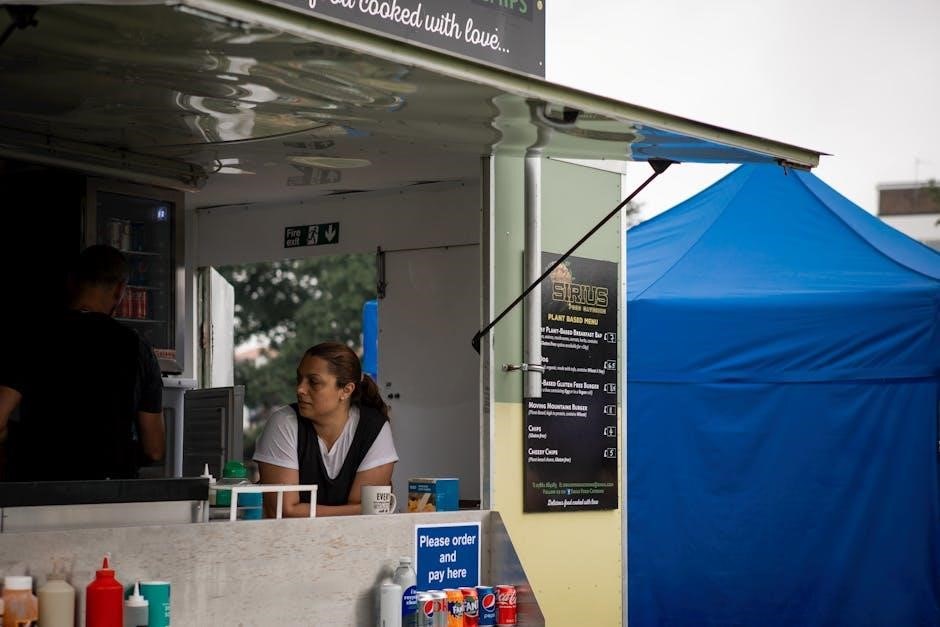
The menu features a diverse selection of gourmet dishes, including signature burgers, vegan options, and seasonal specials, all made with fresh, locally-sourced ingredients to ensure exceptional flavor and quality․
Menu Concept
The menu concept revolves around offering a fusion of modern and traditional flavors, catering to diverse dietary preferences․ Signature items include gourmet burgers, vegan wraps, and seasonal specials, all crafted with locally-sourced ingredients to ensure freshness and quality․ The menu is designed to be flexible, allowing for customization and adaptation to changing trends and customer preferences․ By focusing on a limited yet impactful selection, the food truck ensures efficiency in preparation and consistency in taste․ This approach not only attracts a wide customer base but also builds a loyal following by delivering unique and memorable dining experiences on the go․
Pricing Strategy
The pricing strategy is designed to be competitive and value-based, ensuring affordability while maintaining profitability․ Menu items are priced between $8 and $12, with premium options available for an additional $2-$3․ Discounts are offered for bulk orders and loyalty program members to encourage repeat business․ Seasonal specials and limited-time offers are priced slightly higher to capitalize on exclusivity․ The pricing structure also considers the cost of high-quality, locally-sourced ingredients and labor․ By balancing affordability with quality, the food truck aims to attract a wide customer base while maintaining healthy profit margins․ Regular reviews of pricing will ensure alignment with market trends and customer feedback, allowing for adjustments to stay competitive and profitable․
Food Quality and Sourcing
Ensuring high food quality and sustainable sourcing is a cornerstone of the business․ The food truck will prioritize locally sourced, fresh ingredients to maintain flavor and nutritional integrity․ Partnerships with local farmers and suppliers will be established to reduce carbon footprint and support the community․ All menu items will be prepared using high-quality, non-GMO, and organic ingredients whenever possible․ Strict food safety protocols will be implemented, including regular inspections and staff training on proper food handling․ The sourcing process will emphasize transparency, with clear labeling of ingredients to cater to customers with dietary restrictions․ By focusing on quality and sustainability, the food truck aims to build trust and loyalty with its customer base while promoting environmentally responsible practices․
Marketing and Sales Strategy
Leveraging social media, flyers, and strategic partnerships, the food truck will create buzz through targeted promotions, coupons, and word-of-mouth campaigns to attract and retain a loyal customer base effectively․
Branding and Identity
Establishing a strong brand identity is crucial for the food truck business․ The brand will reflect the unique personality of the business, emphasizing high-quality, delicious, and innovative cuisine․ A memorable logo, vibrant color scheme, and catchy tagline will be designed to stand out in a competitive market․ The brand story will highlight the inspiration behind the business, the culinary expertise, and the commitment to using fresh, locally-sourced ingredients․ Consistency in branding will be maintained across all platforms, including social media, menus, and packaging․ The brand will also emphasize sustainability and community involvement, appealing to environmentally conscious customers․ By creating a relatable and authentic brand, the food truck will build trust and loyalty with its target audience, setting it apart from competitors and fostering long-term customer relationships․
Marketing Methods
The food truck business will employ a multi-channel marketing strategy to attract and retain customers․ Social media platforms like Instagram and Facebook will be used to share high-quality images of menu items, behind-the-scenes content, and exclusive promotions․ Flyers and coupons will be distributed in high-traffic areas to create buzz and drive initial sales․ Partnerships with local businesses, such as wineries and breweries, will help expand the customer base․ Word-of-mouth marketing will be encouraged through referral incentives and exceptional customer service․ Seasonal promotions and limited-time offers will keep the menu fresh and engaging․ The truck’s vibrant design will act as a moving billboard, ensuring visibility in busy locations․ Regular updates on schedules and specials will be shared via SMS and email newsletters to keep customers informed and engaged․ These strategies will collectively build brand awareness and drive consistent foot traffic to the truck․
Sales Strategy
The food truck will implement a dynamic sales strategy focused on maximizing revenue through strategic pricing, upselling, and customer engagement․ Menu items will be priced competitively, with premium options available to cater to diverse customer preferences․ Upselling techniques, such as suggesting combo meals or specialty drinks, will be used to increase average order value․ Loyalty programs, like discount cards or app-based rewards, will incentivize repeat purchases․ The truck will also offer limited-time promotions and seasonal specials to create urgency and attract new customers․ Sales data will be tracked to identify top-selling items and optimize inventory․ By leveraging technology, such as mobile point-of-sale systems, transactions will be streamlined for efficiency․ This approach ensures a customer-centric experience while driving consistent sales growth and profitability for the business․
Customer Retention
Building strong customer relationships is crucial for long-term success․ The food truck will implement a loyalty program, offering rewards such as discounts or free items after a certain number of purchases․ Regular engagement through social media platforms will foster a sense of community, with updates on specials, events, and behind-the-scenes insights․ Gathering customer feedback through surveys or comment cards will help identify areas for improvement and ensure the menu and service meet expectations․ Additionally, hosting contests or giveaways will encourage repeat visits and word-of-mouth referrals․ By creating a memorable and personalized experience, the food truck aims to build a loyal customer base that drives sustained growth and profitability․ These strategies will ensure customers return, becoming advocates for the brand and contributing to its long-term success in the competitive market․

Operational Plan
The food truck will operate daily, managing inventory, scheduling routes, and maintaining equipment to ensure smooth service delivery․ Regular maintenance and supply chain efficiency are prioritized to sustain operations effectively․
Business Location and Routes
The food truck will strategically operate in high-traffic areas such as downtown districts, event venues, and popular parks to maximize visibility and customer reach․ Routes will be planned based on foot traffic, local demand, and competition analysis․ Partnerships with local businesses and event organizers will be established to secure prime locations․ The truck will also participate in food festivals and community events to build brand awareness․ A rotating schedule of locations will be implemented to maintain customer interest and avoid oversaturation․ Logistics will include GPS tracking for efficient route planning and timely arrivals․ Regular reviews of location performance will ensure optimal placement and adaptability to changing market conditions․ This strategic approach will help the food truck achieve consistent customer engagement and revenue growth․
Equipment and Supplies
The food truck will be equipped with commercial-grade appliances, including a fryer, grill, refrigerator, and point-of-sale system, to ensure efficient food preparation and customer transactions․ High-quality cooking utensils and disposable packaging will be sourced from reliable suppliers to maintain consistency and hygiene․ The truck will also be fitted with necessary safety equipment, such as fire extinguishers and ventilation systems, to comply with health and safety regulations․ Inventory management will focus on sourcing fresh, locally-sourced ingredients to ensure menu quality․ Supplies will be replenished regularly to avoid stockouts and maintain operational efficiency․ The truck will also be equipped with GPS and mobile payment systems to enhance customer convenience and streamline operations․ Regular maintenance schedules will be implemented to ensure all equipment functions optimally and extends its lifespan․ This comprehensive approach to equipment and supplies will support the truck’s daily operations and long-term success․
Staffing and Training
The food truck will require a team of skilled and motivated individuals to ensure smooth operations․ Key roles include a chef, cashier, and manager, with additional staff hired during peak periods․ Employees will be recruited locally to ensure reliability and minimize turnover․ Comprehensive training will be provided to all staff, covering food safety protocols, customer service standards, and equipment operation․ Ongoing training sessions will be conducted to maintain high performance and adapt to customer feedback․ Cross-training employees to handle multiple roles will enhance flexibility and efficiency․ A positive work environment and competitive wages will be prioritized to retain talent․ Additionally, incentives such as bonuses for meeting sales targets will motivate staff to excel․ This structured approach to staffing and training will ensure the food truck delivers exceptional service and maintains a strong reputation in the market․

Financial Plan
A solid financial plan is crucial for budgeting, forecasting, and securing funding․ It includes detailed startup costs, revenue projections, and expense management strategies to ensure profitability and sustainability over time․
Startup Costs
Starting a food truck business requires significant upfront investment․ The primary expenses include purchasing or leasing a food truck, which can range from $50,000 to $200,000 depending on size and equipment․ Additional costs include kitchen appliances, cooking gear, and initial inventory․ Licensing and permits are also essential, varying by location but typically costing between $500 to $5,000 annually․ Marketing expenses, such as branding and initial promotional materials, should be budgeted separately․ Insurance is another critical cost, covering liability, vehicle, and equipment insurance․ Utility deposits and initial fuel costs must also be considered․ A detailed breakdown of these expenses is necessary to ensure adequate funding and avoid financial setbacks․ Proper planning helps allocate resources effectively, ensuring the business is operational and ready to generate revenue․
Revenue Projections
Revenue projections for a food truck business are based on average daily sales, operating hours, and market demand․ Initial estimates suggest generating $1,500 to $3,000 per day, depending on location and foot traffic․ Over the first year, annual revenue is projected to range between $300,000 and $600,000․ These figures account for peak seasons, such as festivals and summer months, which can significantly boost sales․ By maintaining consistent quality and service, the business aims to increase customer loyalty and attract repeat customers․ Additionally, catering events and partnerships with local businesses can provide supplementary income streams․ Financial projections also consider variable costs, such as food supplies and fuel, to ensure profitability․ Regular reviews of sales data will help refine these projections and adjust strategies as needed to meet or exceed revenue goals․
Budgeting and Expense Management
Effective budgeting and expense management are crucial for the sustainability of a food truck business․ Initial startup costs, including the truck, equipment, and permits, must be carefully allocated․ Ongoing expenses such as food supplies, fuel, and labor should be tracked to ensure profitability․ A detailed budget should outline projected monthly expenditures and revenue streams․ Utilizing accounting software can help monitor financial performance and identify areas for cost reduction․ Regular financial reviews will enable adjustments to stay on track with budget goals․ By maintaining strict control over expenses, the business can allocate resources efficiently and achieve long-term profitability․ Proper budgeting also ensures compliance with financial obligations, such as taxes and insurance, while allowing for reinvestment in growth opportunities․
Legal and Regulatory Requirements
Obtaining necessary licenses, permits, and complying with health and safety regulations are critical․ Insurance coverage and adherence to local food safety standards ensure legal operation and protect the business from liabilities․
Licenses and Permits
Securing the necessary licenses and permits is essential for legal operation․ A food truck business requires a food service permit from the local health department, ensuring compliance with food safety standards․ Additional permits may include a business license, fire department inspection certification, and mobile food vendor permit․ Depending on the location, specific municipal or county permits may be required․ Food handlers and managers must obtain certifications, such as Food Safety Manager Certification․ Sales tax permits are also necessary for selling goods․ Requirements vary by jurisdiction, so thorough research and consultation with local authorities are crucial․ Failure to obtain proper licenses can result in fines or business closure․ Ensuring all legal requirements are met protects the business and maintains customer trust․ Proper documentation and renewal of permits are ongoing responsibilities․
Health and Safety Regulations
Adherence to health and safety regulations is critical for food truck operations․ All food handling must comply with local and national food safety standards, including proper food storage, preparation, and disposal․ Regular inspections by health authorities ensure adherence to hygiene practices․ Employees must undergo food safety training and maintain certifications․ The food truck must be equipped with necessary safety equipment, such as fire extinguishers and first aid kits․ Proper waste management and disposal systems are required to prevent contamination․ Cleaning schedules must be implemented and documented to maintain a sanitary environment․ Non-compliance can lead to legal penalties and reputational damage․ Continuous monitoring and staff training are essential to uphold high safety standards and protect public health․ These measures ensure a safe and healthy environment for both customers and staff․
Insurance Requirements
Obtaining the right insurance coverage is essential for a food truck business to mitigate risks and protect against potential losses․ General liability insurance is mandatory to cover accidents, injuries, or property damage involving customers or third parties; Commercial vehicle insurance is required to insure the food truck itself, as it is a business vehicle․ Equipment and inventory insurance safeguards against damage or theft of cooking equipment, supplies, and food․ Workers’ compensation insurance is necessary if the business has employees, covering work-related injuries․ Additional coverage options include business interruption insurance to protect against revenue loss due to unforeseen events․ Insurance requirements may vary by location, so it is crucial to consult with local authorities and insurance providers to ensure compliance․ Proper insurance coverage ensures the business can operate securely and recover from potential setbacks․ This protection is vital for long-term sustainability and customer trust․

This food truck business plan provides a comprehensive roadmap for success, outlining strategic approaches to menu development, marketing, and financial management to ensure long-term growth and profitability in the mobile food industry․
A well-structured food truck business plan is essential for success, outlining clear objectives, market strategies, and financial projections․ It begins with an executive summary, providing an overview of the business, followed by detailed market analysis to identify target audiences and competitors․ The menu and product offerings are central, emphasizing quality and uniqueness to attract customers․ Marketing and sales strategies, including branding and social media, are critical for visibility and customer retention․ Operational plans cover location selection, equipment, and staffing, ensuring smooth daily operations․ Financial planning includes startup costs, revenue projections, and expense management to maintain profitability․ Legal requirements, such as licenses and health regulations, must be thoroughly addressed․ By following this structured approach, a food truck business can achieve sustainability and growth in a competitive market․

Final Thoughts and Next Steps
Developing a comprehensive food truck business plan is a critical step toward launching a successful venture․ By outlining clear objectives, understanding the market, and creating a detailed financial strategy, entrepreneurs can set a strong foundation for their business․ The next steps involve securing funding, obtaining necessary licenses, and finalizing operational logistics․ It is essential to stay adaptable, continuously monitoring customer feedback and market trends to refine offerings and strategies․ With careful planning and execution, a food truck business can thrive, offering unique culinary experiences while achieving long-term profitability․ The final step is to review the plan with stakeholders, address any gaps, and prepare for a successful launch․