
Navigate with confidence: this PDF guides you through setting up, operating, and maintaining your Kubota equipment. It offers step‑by‑step instructions, safety tips, and troubleshooting tips to help you get the most out of your purchase. For detailed diagrams, refer to nowdownloadable sections.

Where to Find Official Kubota Operator Manual PDFs
Official PDFs are available on Kubota’s website and through authorized dealers. Visit the support section, enter your model, and download the latest manual. Dealers also provide hard copies or digital links upon request. Download now!!!
Official Kubota Website Downloads

Accessing the latest Kubota Operator Manual PDF is straightforward through the manufacturer’s official portal. Begin by navigating to www.kubota.com and selecting the Support tab. From there, choose Owner’s Manuals and locate your model by entering the series (e.g., D, E, K) and the specific equipment number. The site will present a list of downloadable files in PDF format, each labeled with the revision date and version number. Click the Download button to save the file locally or open it for review.
Each manual includes sections on equipment overview, safety guidelines, operating instructions, maintenance procedures, and troubleshooting. For users who prefer a printed copy, the website offers a Print option that formats the PDF for paper output. Additionally, the portal provides a Search function that allows you to locate specific topics such as “hydraulic system” or “engine start” through the entire document.

To ensure you have the most current information, always check the revision date displayed on the first page of the PDF. If you encounter a missing manual or an outdated version, contact Kubota customer support via the website’s Contact Us form or call the local dealer listed in the Dealer Locator tool. The official website also hosts video tutorials and FAQ sections that complement the written manual, offering visual guidance for complex procedures!!!
Authorized Kubota Dealers
Authorized Kubota dealers play a pivotal role in ensuring that operators receive accurate manuals in PDF format. When you visit a dealer’s showroom, you’ll find a dedicated support desk staffed by technicians who can pull the latest revision from the dealer’s internal database. These professionals can also provide printed copies if you prefer a reference for field use. Many dealers offer a complimentary digital download link that directs you to a secure portal where you can retrieve the manual to your laptop or tablet. In addition, dealers often host on‑site training sessions that walk operators through the manual’s key sections, such as safety guidelines and maintenance schedules, reinforcing best practices while you’re still learning the machine’s nuances. If you’re located in a remote area, most dealers provide a courier service that ships the PDF file via email or a USB drive 48 hours of request. Many larger dealer networks even maintain an online knowledge base that includes searchable manuals, video tutorials, and questions, all linked to the official Kubota documentation. By leveraging these resources, operators can quickly troubleshoot issues, perform routine maintenance, and stay compliant with safety regulations without leaving the dealer’s premises. Remember to ask for the dealer’s certification number; this confirms that the manual you receive is officially sanctioned and reflects the most recent updates from Kubota’s engineering team. Dealers provide a card summarizing operating parameters for quick console access. This reference aids operators in maintaining optimal performance and safety compliance today!.

Contents Overview of a Typical Kubota Operator Manual
Typical Kubota operator manuals start with an equipment overview, then safety guidelines, operating instructions, maintenance schedules, and troubleshooting charts. Each section provides concise, step‑by‑step guidance to ensure safe, efficient operation. It provides quick‑reference tables and PDFs!!.

Equipment Overview
The Kubota operator manual provides detailed guidance on equipment specifications, safety protocols, operating procedures, maintenance schedules, and troubleshooting steps. The Kubota operator manual provides detailed guidance on equipment specifications, safety protocols, operating procedures, maintenance schedules, and troubleshooting steps. The Kubota operator manual provides detailed guidance on equipment specifications, safety protocols, operating procedures, maintenance schedules, and troubleshooting steps. The Kubota operator manual provides detailed guidance on equipment specifications, safety protocols, operating procedures, maintenance schedules, and troubleshooting steps. The Kubota operator manual provides detailed guidance on equipment specifications, safety protocols, operating procedures, maintenance schedules, and troubleshooting steps. The Kubota operator manual provides detailed guidance on equipment specifications, safety protocols, operating procedures, maintenance schedules, and troubleshooting steps. The Kubota operator manual provides detailed guidance on equipment specifications, safety protocols, operating procedures, maintenance schedules, and troubleshooting steps. The Kubota operator manual provides detailed guidance on equipment specifications, safety protocols, operating procedures, maintenance schedules, and troubleshooting steps. The Kubota operator manual provides detailed guidance on equipment specifications, safety protocols, operating procedures, maintenance schedules, and troubleshooting steps. It also includes a safety checklist, operator training guidelines, and a parts catalog for quick daily reference.
Safety Guidelines

Before operating a Kubota machine, read the operator manual to understand safety requirements for your model. Wear recommended personal protective equipment: hard hat, safety glasses, hearing protection, high‑visibility vest, and steel‑toed boots. Keep the work area clean, free of debris, and ensure all guards and safety devices are in place and functioning. Do not operate if you are tired, under the influence of alcohol or drugs, or if you have a medical condition that could impair judgment or reaction time. Follow lock‑out/tag‑out procedures when performing maintenance or repairs to prevent accidental start‑up. Maintain a safe distance from moving parts, hydraulic cylinders, and rotating implements. Use the correct attachment for the task and verify it is securely fastened before starting the machine. In confined spaces, use a fire extinguisher rated for the fuel type used by the machine. Do not exceed the rated load capacity of the machine or attachments. Maintain a clear view of the work area and use mirrors or cameras if necessary. In an emergency, use the emergency stop button or pull the emergency stop cord to halt the machine immediately. Report abnormal noises, vibrations, or leaks to a qualified service technician promptly. Store the machine in an area when not in use. Attend manufacturer‑approved training courses to stay updated on best practices and new safety features. Following these guidelines reduces the risk of accidents and ensures a safe working environment for everyone.!!!
Operating Instructions

Before starting, ensure the machine sits on level ground and all attachments are correctly installed. Check fluid levels—oil, hydraulic fluid, and coolant—using the dipsticks in the engine compartment. Verify the battery is charged and all electrical connections are secure. Engage the parking brake and set the transmission to neutral. Turn the key to the ‘ON’ position, let the engine warm up for a few minutes, then begin operation. Familiarize yourself with the control layout: throttle lever, clutch or power‑shift lever, hydraulic controls, and steering wheel or joystick. For joystick‑equipped models, practice directional inputs in a safe area before proceeding. While operating, keep the throttle steady to avoid sudden acceleration or deceleration. Use the clutch or power‑shift lever to change gears, maintaining engine RPM within the recommended range. Monitor the hydraulic pressure gauge; if it drops below the minimum, check for leaks or blockages. When maneuvering, keep the load balanced and avoid over‑tilting the boom or back‑hoe. Lift or lower implements slowly, allowing the hydraulic system to stabilize before moving the machine. Keep the operator’s seat in the recommended position to maintain visibility and control. For positioning, use the machine’s built‑in laser or GPS guidance if available. In confined spaces, use reverse gear to back out safely. After completing the job, shut down the engine by turning the key to ‘OFF’, disengage the parking brake, and lock the transmission in neutral. Store the machine in a dry, covered area to protect it from the elements. Follow these operating instructions to maximize performance, ensure safety, and extend the life of your Kubota equipment.
Maintenance Procedures
Regular maintenance is essential for reliable Kubota performance. Follow the schedule in the PDF: check oil, hydraulic fluid, and coolant every 100 hours or 1 month, whichever comes first. Use the specified grades: 10W‑30 for engine oil, 75/90 for hydraulic fluid, and 5W‑30 for coolant. Replace filters—engine, air, and hydraulic—at the same intervals. Inspect the tire tread and pressure; keep them at manufacturer‑recommended PSI and replace any worn or damaged tires immediately. Verify the battery’s electrolyte level and clean terminals to prevent corrosion. Inspect belts and hoses for cracks or fraying; replace any that show wear. Keep the engine compartment clean; remove debris and apply a light coat of anti‑rust spray to exposed metal. Verify the brake system: inspect pads, rotors, and fluid; replace pads if wear is below the minimum thickness. Test the steering system for smooth operation; adjust the steering linkage if necessary; Inspect the transmission fluid and replace if it appears dirty or contains metal shavings. For hydraulic systems, check for leaks around fittings and hoses; tighten or replace as needed. Perform a functional test of all attachments before use: ensure back‑hoes, buckets, and implements operate correctly. Keep a maintenance log in the operator’s manual, recording hours, fluid changes, and any repairs. When the machine is idle for periods, run the engine minutes to circulate fluids and prevent sludge buildup. Store the equipment in a covered area to protect it from weather.
Troubleshooting
When a Kubota machine behaves unexpectedly, consult the troubleshooting section of the PDF. Begin by checking the most common causes: low fluid levels, clogged filters, and loose connections. If the engine won’t start, verify the battery charge, inspect the starter relay, and ensure the fuel filter is clean. A sputtering engine often indicates a clogged fuel line or a faulty fuel pump; replace the filter and test the pump pressure. For hydraulic issues, listen for whining noises—this may signal a failing pump or a blocked hydraulic line; inspect all fittings for leaks and replace any damaged hoses. If the machine stalls during operation, check the air filter for blockage and replace it if dirty. A loss of hydraulic pressure can result from a worn piston seal; inspect the cylinder for wear and replace the seal as needed. When the machine displays a “low oil pressure” warning, drain the oil, replace the filter, and refill with the correct viscosity. For overheating, ensure the cooling fan operates and the radiator is free of debris; flush the radiator if it shows sediment buildup. If the attachment is not responding, verify the hydraulic valve is fully engaged and that the attachment’s own filter is clean; For electrical faults, use a multimeter to test the fuse box; replace any blown fuses and inspect wiring for corrosion. If the machine’s display shows error codes, refer to the code list in the PDF and follow the recommended corrective action. Always refer to the maintenance log to confirm recent changes that might affect performance. If problems persist after following these steps, contact an authorized Kubota dealer for advanced diagnostics and service. Remember to keep the manual handy and review the troubleshooting checklist regularly to catch issues early. Check!
Common Kubota Models Covered in Manuals
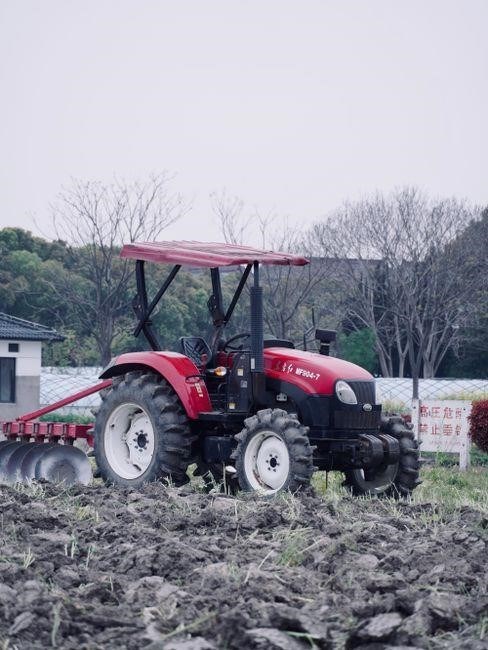
The PDF covers key Kubota lines such as the D Series tractors, E Series backhoes, K Series harvesters, and the X Series compact tractors. Each model page includes specs, safety, operation, maintenance, and troubleshooting tailored to that equipment. Each model also offers a PDF for quick reference now.
Kubota D Series Tractors
Kubota D Series tractors are renowned for their durability, versatility, and advanced technology, making them a staple in both agricultural and construction settings. The manual provides a comprehensive guide covering every aspect of these machines, from initial setup to daily operation and long‑term maintenance. Users begin with a detailed introduction that explains the tractor’s key components, such as the engine, transmission, hydraulic system, and operator controls. The document then walks through the step‑by‑step procedures for starting the engine, checking fluid levels, and performing a pre‑operation inspection to ensure safety and reliability. Safety guidelines are prominently featured, emphasizing the importance of wearing proper protective gear, maintaining a clear work area, and following lock‑out/tag‑out protocols during maintenance tasks. Operating instructions cover a range of scenarios, including towing, attachment usage, and power‑train adjustments, with clear diagrams and recommended settings for optimal performance. Maintenance procedures are broken down into routine tasks—like oil changes, filter replacements, and tire rotations—along with more detailed checks, such as inspecting the hydraulic lines for leaks and verifying the integrity of the cooling system. The manual also includes a troubleshooting section that lists common issues, diagnostic steps, and suggested solutions, helping operators quickly resolve problems and minimize downtime. Appendix A details.!

Kubota E Series Backhoes
The Kubota E Series backhoes are engineered for precision, power, and operator comfort, making them ideal for excavation, grading, and demolition tasks across diverse job sites for small farms and large and sites. This manual begins with an overview of the tractor’s architecture, highlighting the robust diesel engine, advanced hydraulic system, and ergonomic cab layout. Users are guided through the initial startup sequence, including engine warm‑up, hydraulic priming, and safety checks that ensure a safe operating environment. Detailed operating instructions cover attachment handling, bucket control, and the use of optional accessories such as stabilizers and hydraulic hammers. The manual emphasizes operator ergonomics, offering tips on seat adjustment, control placement to reduce fatigue and improve productivity. Maintenance procedures include routine tasks—oil changes, filter replacements, tire inspections—and additional checks such as hydraulic pressure tests and transmission fluid monitoring. Troubleshooting lists common issues like low hydraulic pressure, engine misfires, or cab ventilation problems, with diagnostic steps and corrective actions. The document also includes a safety section that stresses the importance of wearing personal protective equipment, maintaining a clear work zone, and following lock‑out/tag‑out procedures during maintenance. By following this guide, operators can maximize performance and safety of the Kubota E Series backhoe, ensuring reliable operation on any job site!!!
Kubota K Series Harvesters
Designed for high‑yield, the Kubota K Series harvesters combine a powerful diesel engine, efficient hydraulic system, and user‑friendly cab to deliver exceptional performance on a variety of crops. This PDF manual begins with a comprehensive equipment overview, detailing the tractor’s frame, PTO specifications, and the integrated grain‑tunnel system. Operators receive step‑by‑step guidance on startup procedures, including engine warm‑up, hydraulic priming, and safety checks to ensure a secure operating environment. The operating instructions section explains how to adjust the grain‑tunnel height, set the cutting height, and control the grain‑flow rate, emphasizing the importance of maintaining optimal grain‑tunnel clearance for maximum throughput. Detailed diagrams illustrate the correct positioning of the grain‑tunnel, the grain‑tunnel guard, and the grain‑tunnel cleaning system. Safety guidelines cover operator ergonomics, the use of personal protective equipment, and the importance of maintaining a clear work zone. Maintenance procedures outline routine tasks such as oil changes, filter replacements, and grain‑tunnel cleaning, as well as more advanced checks like hydraulic pressure tests and PTO belt tension. Troubleshooting tables list common issues—such as low grain‑tunnel pressure, uneven grain flow, or grain‑tunnel misalignment—and provide diagnostic steps and corrective actions. The manual also includes a section on optional accessories, such as a grain‑tunnel cleaning brush, a grain‑tunnel guard, and a grain‑tunnel cleaning system, explaining how to install and maintain each accessory. By following this guide, operators can maximize the performance, reliability, and safety of the Kubota K Series harvesters, ensuring efficient grain handling on any farm!!!
The manual outlines maintenance intervals for oil changes, filter replacements, and hydraulic fluid checks, ensuring longevity Operators learn to handle grain residues, perform routine inspections to prevent crop loss downtime It covers emergency protocols and safety check