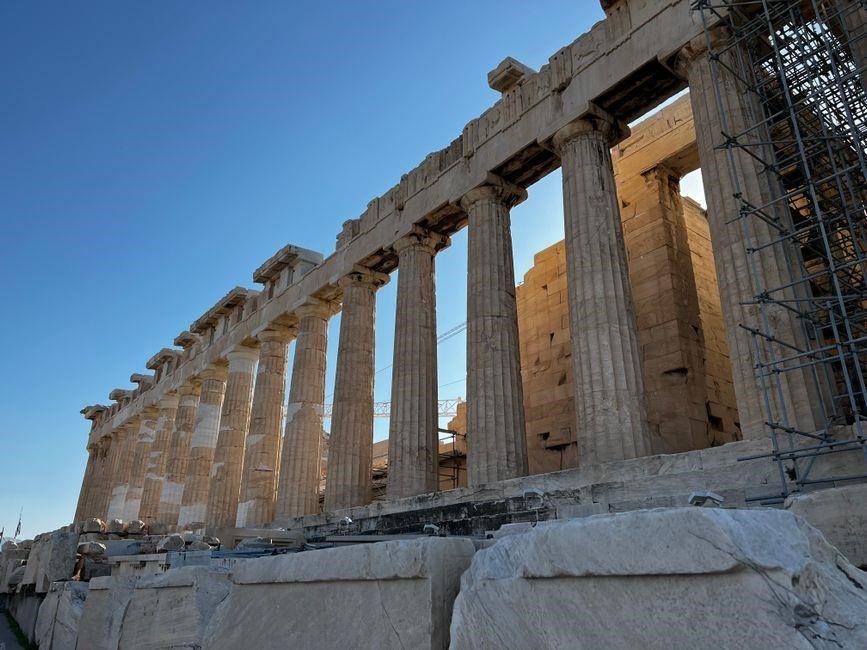
Overview of “The Mark of Athena”
“The Mark of Athena” follows Percy, Annabeth, and the other heroes as they journey to Greece to open the Doors of Death․ The story blends Greek mythology with modern adventure, showcasing teamwork, courage, and the stakes of saving Olympus․ Fans often seek free PDF copies online․Libraries also offer digital copies
Plot Summary
In the third installment of the Heroes of Olympus series, Percy Jackson and his companions must travel to Greece to open the Doors of Death and prevent the return of the Titans․ The story begins with the crew arriving at the Greek island of Crete, where they encounter a mysterious cult and a powerful demigod named Ares․ Percy, Annabeth, Jason, Leo, Piper, Hazel, and Frank work together to navigate ancient ruins, solve riddles, and confront the demigod’s minions․ Along the way, the heroes face personal challenges: Annabeth struggles with her identity as a daughter of Athena, while Leo grapples with his loyalty to the Greek gods․ The plot weaves mythic elements—such as the myth of the Labyrinth and the goddess Athena’s influence—with modern adventure tropes, creating a tense, action‑filled narrative․ The climax centers on a battle at the Temple of Athena, where the heroes must defeat Ares and close the Doors of Death to save Olympus and the world․ The resolution sees the team returning to Camp Half‑Blood, reflecting on their growth and the bonds forged during the perilous quest․ The narrative also explores themes of identity, friendship, and destiny, weaving ancient myths into contemporary stakes․ Readers witness the characters’ growth, the strengthening of bonds, and the triumph of collective courage over looming darkness․ The book’s conclusion leaves readers anticipating the next chapter in the saga, while reflecting on the enduring legacy of myth in modern storytelling․ Its prose and pacing make it a read for young adults and mature readers, bridging mythic tradition with narrative!
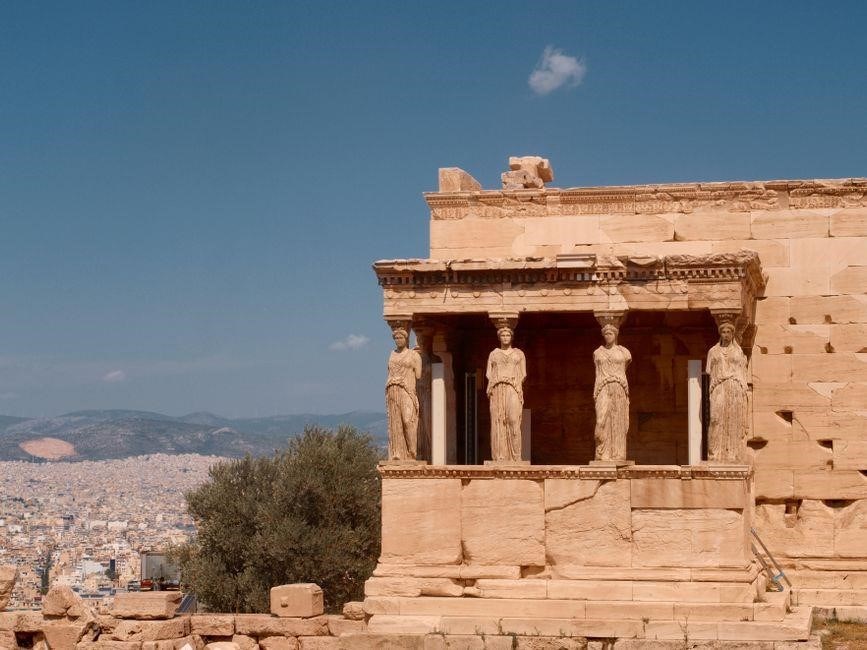
Main Characters
In “The Mark of Athena,” the ensemble of demigods drives the plot forward, each bringing unique heritage and personal stakes․ Percy Jackson, son of Poseidon, grapples with his role as a reluctant hero while navigating the complex politics of Greek and Roman camps․ Annabeth Chase, daughter of Athena, wrestles with her identity and the weight of her mother’s expectations, especially as she confronts the Greek goddess’s influence on her destiny․ Jason Grace, son of Jupiter, must reconcile his Roman upbringing with the Greek setting, while Leo Valdez, son of Hephaestus, uses his inventive skills to keep the group alive․ Piper McLean, daughter of Aphrodite, faces the challenge of controlling her powers of persuasion amid the chaos of battle․ Hazel Levesque, daughter of Pluto, deals with her traumatic past and the responsibility to her new role as a guardian of the Doors of Death․ Frank Zhang, son of Mars, struggles with his dual heritage and the pressure to prove himself․ Together, they form a diverse team whose strengths and weaknesses complement one another, creating a dynamic narrative that explores themes of friendship, loyalty, and the clash between Greek and Roman mythologies․ Their interactions and growth are central to the story’s emotional core, making the characters relatable and memorable for readers across ages․ Readers cherish the blend of myth and modern adventure all․!

Legal Aspects of Free PDF Downloads
Legal considerations for free PDF downloads of “The Mark of Athena” revolve around copyright status, fair‑use limits, and publisher policies․ Unauthorized copies violate U․S․ law and risk civil penalties․ Libraries offer legitimate digital lending under the Library of Congress rules․ Respect copyright․ All legal OK
Copyright Status of the Book
Rick Riordan’s “The Mark of Athena” remains under active copyright protection, as it was first published in 2010․ The United States Copyright Office records the work as copyrighted through 2039, with renewal terms extending to 2069․ Because the book is a commercial novel, it is not in the public domain․ The publisher, Disney‑Hyperion, retains exclusive rights to print, distribute, and license digital formats․ Any reproduction, distribution, or public display without explicit permission from the rights holder constitutes infringement under U․S․ law․ While the author’s estate may grant limited licenses for educational or library use, these are strictly regulated․ The text is also protected by the Digital Millennium Copyright Act (DMCA), which prohibits the removal of digital rights management (DRM) protection․ Therefore, downloading or sharing a free PDF copy from unofficial sources is illegal and can lead to civil liability or criminal prosecution․ The only lawful ways to obtain a PDF are through authorized channels such as the publisher’s official e‑book releases, library e‑lending services, or sanctioned promotional offers․ These channels ensure compliance with copyright law and respect for the creator’s intellectual property rights․ Users should verify the source and legitimacy of any PDF before downloading․ Unverified sites often host pirated copies that may contain malware or be incomplete․ In summary, the copyright status of “The Mark of Athena” is active and enforceable, and free PDF downloads without authorization are prohibited by law․ Proper channels must be used to access the text legally․
Additionally, international copyright treaties such as the Berne Convention obligate member countries to protect foreign works, meaning that the book is also protected abroad․ Digital libraries that provide legitimate access often use secure lending protocols to prevent unauthorized redistribution․ Readers who wish to support the author should purchase or borrow through official means․
Fair Use Considerations
Fair use is a narrow doctrine that permits limited use of copyrighted material without permission for purposes such as criticism, commentary, news reporting, teaching, scholarship, or research․ Courts evaluate four factors: purpose and character of the use; nature of the copyrighted work; amount and substantiality of the portion used; and effect on the market․ Transformative, non‑commercial uses—such as short excerpts for analysis—tend to favor fair use․ The nature of a novel, being highly creative, makes it less likely to be deemed fair․ The amount used must be reasonable; a few sentences are usually acceptable, whereas large passages or the “heart” of the text are not․ The effect on the market is critical: if the use could replace the original or harm its sales, it is disfavored․ In the case of a free PDF of “The Mark of Athena,” reproducing the entire book for personal use would not satisfy any of these factors․ Even a brief excerpt for a classroom discussion must be limited, accompanied by commentary, and not constitute the main focus of the material․ The U․S․ Supreme Court’s decision in Feist Publications, Inc․ v․ Rural Telephone Service Co․ emphasized that the amount used must be “reasonable․” For a novel, that often means a few sentences, not chapters․ Digital copies are protected by the DMCA, so bypassing DRM or distributing copies without authorization is illegal․ Therefore, any attempt to circulate a full PDF without permission is likely to be deemed infringement․ Users should obtain licensed copies or seek explicit permission from the publisher before distributing any substantial portion of the text․ Such arrangements must be verified with the rights holder․ Failure to comply can result in legal action․ When using excerpts, it is essential to provide proper attribution, include a citation, and ensure the excerpt does not constitute the core of the narrative; otherwise, the use may be deemed non‑transformative․ 2026
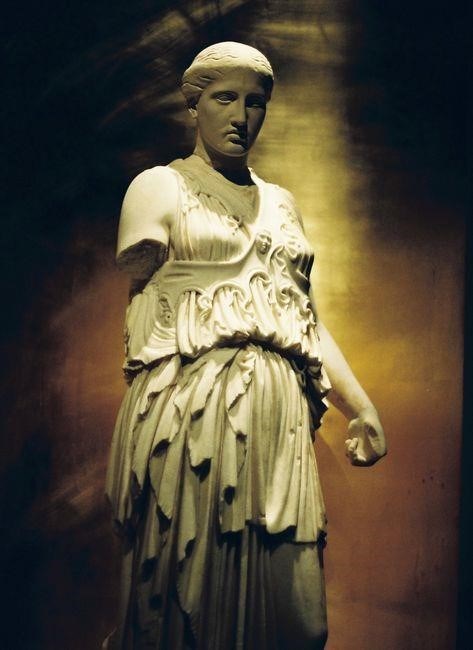
Official Free PDF Availability
Libraries offer e‑lending for “The Mark of Athena․” Publishers sometimes release limited‑time free PDFs for promotion․ Academic portals may host the book for research․ Verify legality before downloading․ These sources are legal, safe, and respect the author’s rights while read fully․
Library Digital Lending Programs
Many libraries now provide access to e‑books through platforms such as OverDrive, Libby, Hoopla, and Scribd․ With a valid library card, patrons can borrow a digital copy of “The Mark of Athena” for a set loan period, typically 14–21 days․ The loaned file is often available in multiple formats, including PDF, EPUB, and Kindle․ Libraries use the Controlled Digital Lending (CDL) model, which allows them to lend a single copy of a digital edition at a time, ensuring compliance with copyright law while expanding accessibility․ Users can download the PDF to a personal device, read offline, and return it electronically, freeing up the copy for another reader․ Some libraries also offer interlibrary loan for e‑books, enabling patrons in smaller districts to request the title from a partner institution․ Additionally, university libraries may provide academic access to the book for research purposes, often through the university’s e‑resource portal․ To use these services, simply search the library’s catalog for “The Mark of Athena,” select the e‑book format, and follow the checkout prompts․ The library’s digital lending system automatically tracks the loan period and sends reminders before the due date․ This method ensures that readers can enjoy the book legally, without the security risks associated with unofficial downloads․ Libraries also maintain a digital rights management system that limits simultaneous access, preventing multiple users from downloading the same copy at once The loan period can be renewed once if no other patron has requested the title Users should check their local library’s policy for specific details, as some institutions may offer extended loan periods or additional formats such as audiobooks By using library services, readers gain legal, secure access while supporting public resources Enjoy
Publisher Promotional Releases
Occasionally the publisher releases a free PDF of “The Mark of Athena” as part of a promotional campaign․ These releases are usually limited to a specific window, such as a holiday sale, an author anniversary, or a partnership with a book‑store chain․ The publisher may offer the full novel or a short excerpt, often bundled with a digital bookmark or a QR code that links to an author interview․ The promotional PDF is typically distributed through the publisher’s official website, a dedicated landing page, or a newsletter subscription․ Readers who sign up for the newsletter receive a unique download link that expires after a set number of days․ Because the publisher controls the distribution, the file is DRM‑free and can be opened on any device․ However, the promotional period is short, and once the window closes the file is removed from the server․ In such cases, the only legal way to obtain the PDF is to wait for the next promotional event or to purchase the book․ Publishers also sometimes provide a free PDF of the first chapter as a teaser to entice new readers․ These teasers are often accompanied by a link to the full e‑book on major retailers․ By monitoring the publisher’s announcements, readers can catch these limited‑time offers and legally download a free PDF without compromising their device’s security or violating copyright law․ These promotional PDFs frequently feature extras like a digital bookmark, a QR code linking to an author interview, and a printable character sheet, all designed to deepen readers’ engagement with the mythic adventure!!
Academic Resource Access
Many university libraries subscribe to large e‑book collections that include “The Mark of Athena․” When a student, faculty member, or staff member logs in through the institution’s library portal, they can download a DRM‑free PDF for personal use․ The portal often offers a “borrow” feature that allows a 30‑day loan, after which the file becomes unavailable․ Some institutions participate in the WorldCat consortium, enabling interlibrary loan requests that can deliver a PDF within a week․ In addition, the publisher sometimes partners with academic platforms like Edsurge to provide a limited‑time free download for course syllabi․ Professors can also request a “course reserve” copy, which is then made available to enrolled students via a secure link․ For researchers, the Google Books preview may show the full text, and the “Read online” option can be used to access a PDF if the book is in the public domain․ Finally, some universities host a digital commons where faculty can upload PDFs for public access, ensuring compliance with copyright by providing only the first chapter or an excerpt․ These academic channels offer legitimate ways to obtain a free PDF while respecting intellectual property rights․ Students can also access the PDF through the university’s open‑access repository, where the book is listed under the Creative Commons license, allowing free redistribution for educational purposes․ Additionally, faculty may request a bulk license for classroom use, which the publisher often grants at a discounted rate, ensuring that the PDF remains legally available to all enrolled students․ —
Unofficial Free PDF Sources and Risks
Unofficial sites like torrent trackers, file‑sharing portals, and some blogs host the book as a PDF․ Downloading from these sources exposes users to malware, phishing, and legal penalties․ Copyright holders actively monitor and block such sites, and users risk fines or account bans․ These sites often host corrupted files, risking action;
Popular Torrent and File‑Sharing Sites
Many users turn to torrent trackers and peer‑to‑peer networks to obtain a free PDF of “The Mark of Athena․” Sites such as The Pirate Bay, 1337x, RARBG, and YTS are frequently cited in online forums and social media groups․ These platforms host large collections of copyrighted works, and the book is often listed under the “Books” or “E‑books” category with a 1‑to‑1 file ratio․ In addition, file‑sharing services like Mega, Google Drive, and MediaFire are used by individuals who upload the PDF and share a link in chat rooms or on Reddit․ While the download process appears straightforward, the risk of encountering malware, spyware, or malicious scripts is high․ Many files are bundled with trojans or adware that can compromise personal data․ Moreover, the legality of downloading from these sites is questionable; copyright holders routinely issue takedown notices, and users may face civil or criminal penalties if caught․ The use of VPNs or anonymizing tools does not guarantee protection, as law‑enforcement agencies have advanced methods for tracing IP addresses and identifying infringers․ Users should consider the ethical implications and potential consequences before accessing these unofficial sources․ Some users also use cloud‑based services such as Dropbox or OneDrive to host the PDF, sharing a link via encrypted email․ These links are often short‑lived, and the files may be scanned for malware before delivery․ Even if the file passes a virus check, the legal risk remains because the act of downloading infringes on the author’s rights․ The safest route is to use official channels or purchase a legitimate copy․ Ok․
Security and Legal Risks of Unofficial Downloads
Downloading a free PDF of “The Mark of Athena” from unofficial sites exposes users to malware, ransomware, keyloggers, and hidden scripts that can steal data or encrypt files․ Many torrents and cloud links are bundled with trojans or phishing redirects, and even reputable PDF readers can be exploited by zero‑day exploits․ Antivirus scanners may miss obfuscated code, leaving systems vulnerable․ In addition, tampered files can replace the original text with counterfeit versions that contain malicious links or adware installers, compromising privacy and leading to identity theft․
Legally, the act of downloading copyrighted material without permission violates U․S․ copyright law under the Copyright Act of 1976 and the Digital Millennium Copyright Act (DMCA)․ Courts award damages ranging from a few hundred to several thousand dollars per infringement, and civil lawsuits or criminal prosecution are possible․ Law‑enforcement agencies actively target peer‑to‑peer networks, and anonymity tools do not absolve liability․ The combination of security threats and legal penalties makes unofficial downloads a high‑risk activity․ For a safe and lawful experience, use official channels such as library e‑lending or authorized digital retailers․
Many files are scanned for malware before distribution, but the process can miss sophisticated threats․ The legal framework treats any unauthorized distribution as infringement, regardless of personal use․ Courts impose statutory damages ranging from $750 to $30,000 per copy, and repeat offenders may face criminal charges․ The risk of losing access to legitimate services also increases when a user is flagged for piracy․ Therefore, obtaining the book through authorized channels ensures security and compliance with copyright law․
Readers can also use library e‑lending services to access the PDF legally․ Securely!! OK!